St. Louis top rated Architect - Crafting Stunning Modern Homes
Reimagining Spaces: Innovative Architectural Trends
Progressive architectural trends are reshaping our built environments in substantial ways. From smart buildings that enhance daily life to biophilic designs that reconnect us with nature, these developments are transforming how we perceive space. Modular construction is streamlining processes, while adaptive reuse revitalizes communities. Yet, the implications reach beyond aesthetics to influence social dynamics and sustainability. What does this mean for the future of urban planning and community engagement?
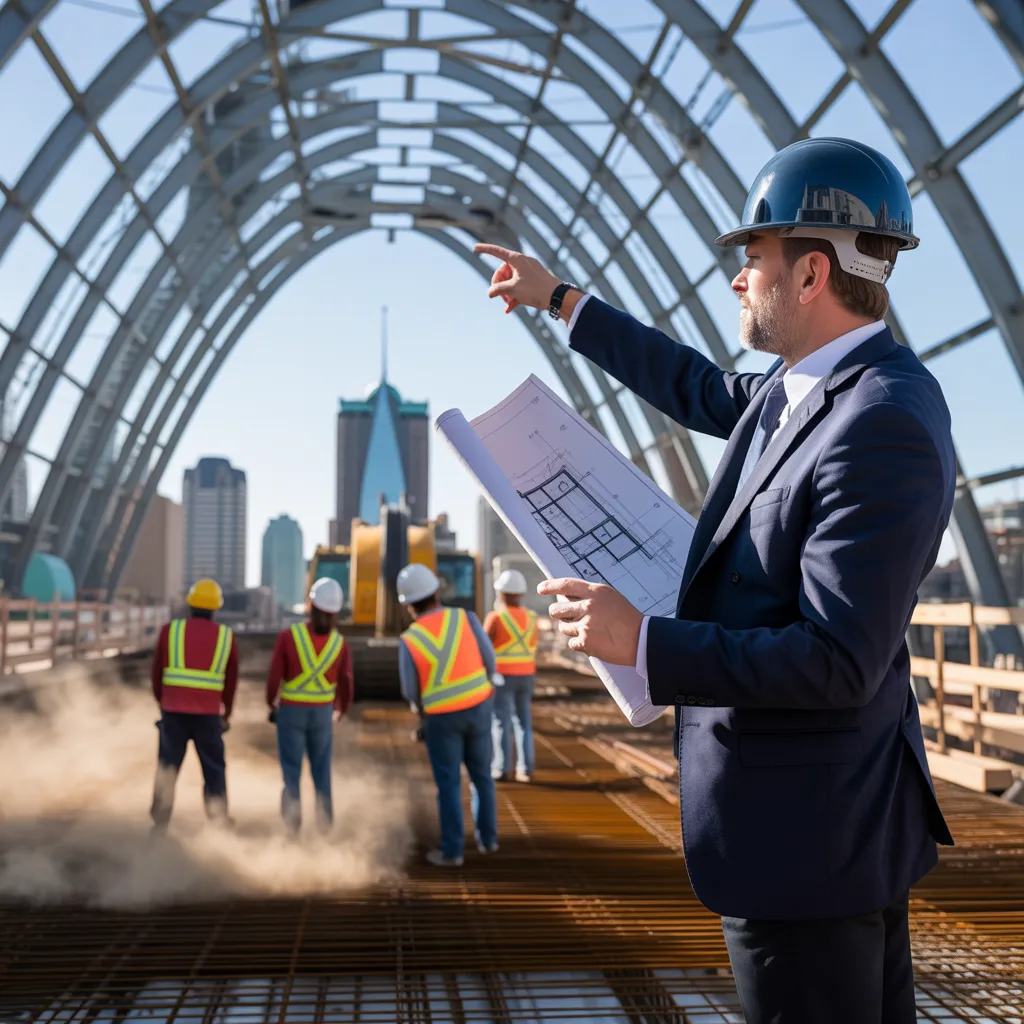
How Smart Buildings Improve Daily Life
As technological progress continues, smart buildings have surfaced as a transformative solution that enhances daily life for their occupants. These structures leverage advanced sensors, automation, and connectivity to create a seamless living and working environment. By integrating systems such as lighting, heating, and security, smart buildings offer increased comfort and convenience. For instance, occupants can control their environment remotely through smart devices, adjusting settings to meet personal preferences.
In addition, smart buildings promote efficiency by optimizing energy use and minimizing operational costs. Advanced monitoring systems measure performance and maintenance demands, enabling timely interventions. This not only prolongs the life of building systems but also leads to a safer and more comfortable space. Moreover, smart buildings often incorporate attributes that enhance health and wellness, such as improved air quality and natural light management. Ultimately, these innovations greatly improve the quality of life for those who occupy these advanced spaces.
Environmentally Conscious Methods for a More Eco-Friendly Future
As urbanization continues to accelerate, the integration of sustainable practices in architecture has become vital for promoting a greener future. Architects and designers are increasingly prioritizing eco-friendly materials, energy-efficient systems, and innovative waste-reduction strategies. The utilization of renewable resources, such as solar panels and rainwater harvesting systems, demonstrates the shift towards reducing environmental impact.
Moreover, passive design methods, which improve natural light and ventilation, are increasingly adopted, decreasing reliance on artificial energy sources. Green roofs and living walls not only improve aesthetic appeal but also facilitate improved air quality and biodiversity.
Community engagement in sustainable planning cultivates collective responsibility towards environmental stewardship. As cities grow, the incorporation of sustainable practices can lead to resilient urban environments that support both human needs and ecological balance. Ultimately, these efforts represent a meaningful step towards a sustainable future, transforming the architectural landscape into one that harmonizes with nature.
The Importance of Biophilic Design
The practice of biophilic design holds a vital position in enhancing overall well-being by integrating natural elements into built environments. This approach not only enhances productivity by cultivating a connection to nature but also solidifies individuals' ties to their surroundings. As urban spaces continue to evolve, the importance of biophilic design becomes progressively evident in promoting healthier living and working conditions.
Boosting Well-Being Using Natural Methods
In today's rapidly urbanizing society, the integration of nature into architectural design has evolved as an essential strategy for enhancing wellness. Biophilic design focuses on the connection between people and nature, cultivating healthier environments that nurture both body and mind. Including natural elements, such as plants, natural light, and organic materials, cultivates a sense of tranquility and lessens stress. Research reveals that exposure to nature can lower anxiety levels and boost mood, resulting in a more harmonious living space. By adopting biophilic principles, architects can create spaces that not only serve functional purposes but also meet the emotional and psychological needs of occupants. Ultimately, this approach creates a more sustainable and restorative urban experience.
Enhancing Performance By means of Nature
Many studies have demonstrated that adding nature into workplace design considerably increases productivity. This concept, called biophilic design, stresses the integration of natural elements like plants, natural light, and organic materials within work environments. Research suggests that employees in biophilic spaces exhibit diminished stress levels and increased creativity, which directly connects to improved work performance. Elements like greenery and water features not only generate visually appealing settings but also promote a sense of well-being. Moreover, natural light has been demonstrated to regulate circadian rhythms, resulting in better focus and alertness throughout the day. By emphasizing these natural components, organizations can foster an atmosphere that improves employee efficiency and satisfaction, ultimately contributing to overall organizational success.
Deepening Relationship With The Environment
As businesses more and more understand the impact of their environments on employee well-being, the significance of biophilic design becomes clear. This design approach highlights the integration of natural elements into built environments, encouraging a stronger connection to the outdoors. By incorporating elements such as natural light, greenery, and water elements, biophilic design not only elevates aesthetic appeal but also supports mental health and productivity. Research demonstrates that exposure to nature can reduce stress and increase focus, making it a crucial consideration in modern architecture. Ultimately, biophilic design serves as a bridge between human beings and their surroundings, fostering a harmonious relationship that benefits both individuals and the environment. This trend reflects a growing commitment to sustainability and holistic well-being in architectural practices.
Prefabricated Construction: Effectiveness and Innovation
Modular construction is rapidly transforming the architectural landscape by providing exceptional efficiency and innovative design solutions. This technique involves factory-building building components in a controlled environment, which markedly reduces building time and costs. By assembling these modules on-site, projects can be completed more quickly, decreasing labor expenses and material waste.
Furthermore, modular construction enables flexibility in design, enabling architects to develop customizable spaces that fulfill specific client requirements. This adaptability is notably beneficial in addressing the different demands of urban development and housing crises.
One more important advantage is the enhanced sustainability of modular buildings, as the controlled manufacturing process may result in more efficient resource use. With increased focus on lowering environmental impact, modular construction distinguishes itself as a forward-thinking approach. As the industry embraces this trend, it aims to redefine traditional building practices, promoting a new era of architectural innovation.
Rejuvenating Communities Through Adaptive Reuse
While cities commonly encounter challenges related to unoccupied structures and declining neighborhoods, adaptive repurposing stands out as a effective strategy for renewing communities. This strategy entails repurposing old buildings for contemporary uses, maintaining their historic value while addressing contemporary needs. By converting warehouses into lofts, churches into community centers, or factories into creative centers, cities can revitalize abandoned areas.
Adaptive reuse doesn't just preserve architectural heritage but also advances sustainability by minimizing waste and lowering the need for new construction materials. Additionally, these projects often foster economic development, attracting local businesses and increasing property values. Incorporating the community in the design process can also develop a sense of ownership and pride among residents. As urban planners and architects progressively embrace adaptive reuse, it becomes clear that this innovative trend plays a vital role in creating vibrant, cohesive neighborhoods that honor the past while looking towards a sustainable future.
The Impact of Technology on Architecture
Technology profoundly shapes current architecture by integrating smart building technologies that elevate functionality and efficiency. Sustainable design innovations are redefining how structures decrease environmental impact, while VR integration permits architects and clients to visualize projects in extraordinary ways. Combined, these advancements are transforming architectural practices and elevating the user experience.
Advanced Building Automation
As architects increasingly embrace innovative solutions, smart building technologies are redefining the landscape of modern architecture. These technologies incorporate advanced systems that improve operational efficiency, comfort, and security within buildings. Automated control systems, comprising lighting, heating, and ventilation, improve energy use while addressing occupant needs. The implementation of IoT devices enables real-time monitoring and management of numerous building functions, resulting in improved resource maintenance and reduced operational costs. Moreover, smart technologies facilitate better communication among occupants and systems, creating a seamless user experience. As these advancements progress further, they transform architectural design principles, focusing on adaptability and user-centric environments. Eventually, smart building technologies pave the way for a more integrated and responsive architectural future.
Environmentally Conscious Design Advancements
Sustainable design innovations are reshaping architectural practices by combining environmentally conscious materials and energy-optimized solutions that substantially decrease the environmental footprint of buildings. Architects are progressively utilizing eco-conscious resources, such as bamboo and recycled metals, to decrease waste and foster sustainability. Innovative energy systems, including solar panels and geothermal heating, are emerging as standard features, significantly decreasing energy consumption. Moreover, progressive water management solutions, including rainwater harvesting and greywater recycling, are being adopted to enhance resource efficiency. These practices not only support a healthier planet but also generate enduring cost savings for building owners. By emphasizing sustainability, architects are not only satisfying regulatory requirements but also meeting the growing demand for green design in contemporary architecture.
Virtual Reality Implementation
How does virtual reality (VR) transform the architectural design process? VR presents architects an immersive platform to visualize their designs in real-time, allowing clients to experience spaces before construction. By simulating environments, architects can make informed design choices and adapt elements based on user feedback. This technology strengthens collaboration, enabling stakeholders to engage in interactive discussions and modifications. Additionally, VR facilitates a better understanding of scale and spatial relationships, minimizing the likelihood of costly errors. As a result, the design process becomes more efficient, transparent, and client-centered. Eventually, VR integration not only enhances the creative potential of architects but also enhances client satisfaction by fostering a deeper emotional connection to the spaces being designed.
Creating Architecture for Stronger Communities
While residential areas often flourish through social connections and shared experiences, the significance of architecture in fostering these relationships proves essential. Innovative architectural designs increasingly prioritize communal spaces, facilitating interaction and collaboration among residents. Features such as open courtyards, multipurpose gathering areas, and pedestrian-friendly pathways encourage social engagement.
Architects are concentrating on sustainability and inclusivity, creating environments that accommodate diverse populations. By utilizing local materials and reflecting cultural identities, buildings capture the community's essence. Furthermore, adaptable spaces accommodate various activities, fostering neighborhood ties.
Smart technology integration enhances accessibility, ensuring that everyone can participate in community life. Including green areas and leisure amenities promotes well-being, additionally strengthening community connections. With architecture's evolution, its ability to foster stronger communities becomes increasingly clear, proving that careful design can alter the social character of neighborhoods, establishing relationships that stand the test of time.
Popular Questions
What Costs Are Associated With Innovative Design Trends?
The expenses related to innovative architectural trends typically include elevated material expenses, advanced technology implementation, specialized labor, and potential regulatory compliance fees, all of which can significantly impact budgets and project schedules.
How Do Architectural Movements Impact Property Values?
Architectural trends substantially affect property values by elevating visual attractiveness and utility. Properties that feature modern designs frequently attract higher demand, resulting in increased market value and prospective resale prices as a result of their modern features and creative designs.
Which Skills Are Necessary for Today's Architects?
Today's architects must have strong design capabilities, technical proficiency in software, project management expertise, strong communication capabilities, and a thorough understanding of sustainability. Adaptability to emerging trends and collaboration with diverse teams is equally essential for success.
In What Ways Can Individuals Support Innovative Architecture in Their Communities?
Individuals can support innovative architecture by promoting sustainable designs, taking part in community planning meetings, funding local projects, collaborating with architects, and promoting educational initiatives that showcase the value of modern architectural practices in their districts.
What Does the Future Hold for Architectural Trends?
Future predictions for architectural trends include increased sustainability, adaptive reuse of spaces, blending of technology, biophilic design, and a commitment on community engagement. These elements aim to create practical, environmentally friendly, and aesthetically pleasing environments for different populations.